How to compare online Quran learning for children and adults, covering Quran reading, Tajweed, memorization, and Islamic education.
Introduction
Most Muslim parents hope their children will recite the Quran with correct pronunciation, learn the Quran by heart if they are able, understand the basics of their faith, and grow up with good manners and character.
Busy schedules, school commitments, and the lack of a suitable teacher nearby make this difficult for many families. Online learning has made it possible to study from home, using a phone, tablet, or computer.
This guide explains what to look for in an online Quran academy and the main learning options, including Quran reading, Tajweed, Hifz, Islamic education, and classes for children and adults. The points below are general considerations. For current details, check the academy's own website.
What to Look for in an Online Quran Academy
When you compare options, these are useful things to check:
- Qualified Quran teachers. Ask what training the teachers have and how they assess their own recitation.
- Attention to pronunciation and Tajweed. A good teacher listens closely to each student and corrects articulation, not only reading speed.
- Teaching suited to age and level. A child who is just starting with the letters needs a different approach from an adult who is improving recitation.
- Regular revision and correction. Lessons should include review of earlier material and clear feedback.
- Suitable schedules and clear information. Check class times, how lessons are arranged, and which services are offered before you enrol.
These points will help you ask the right questions. They are not an assessment of any particular academy.
Online Quran Classes for Kids
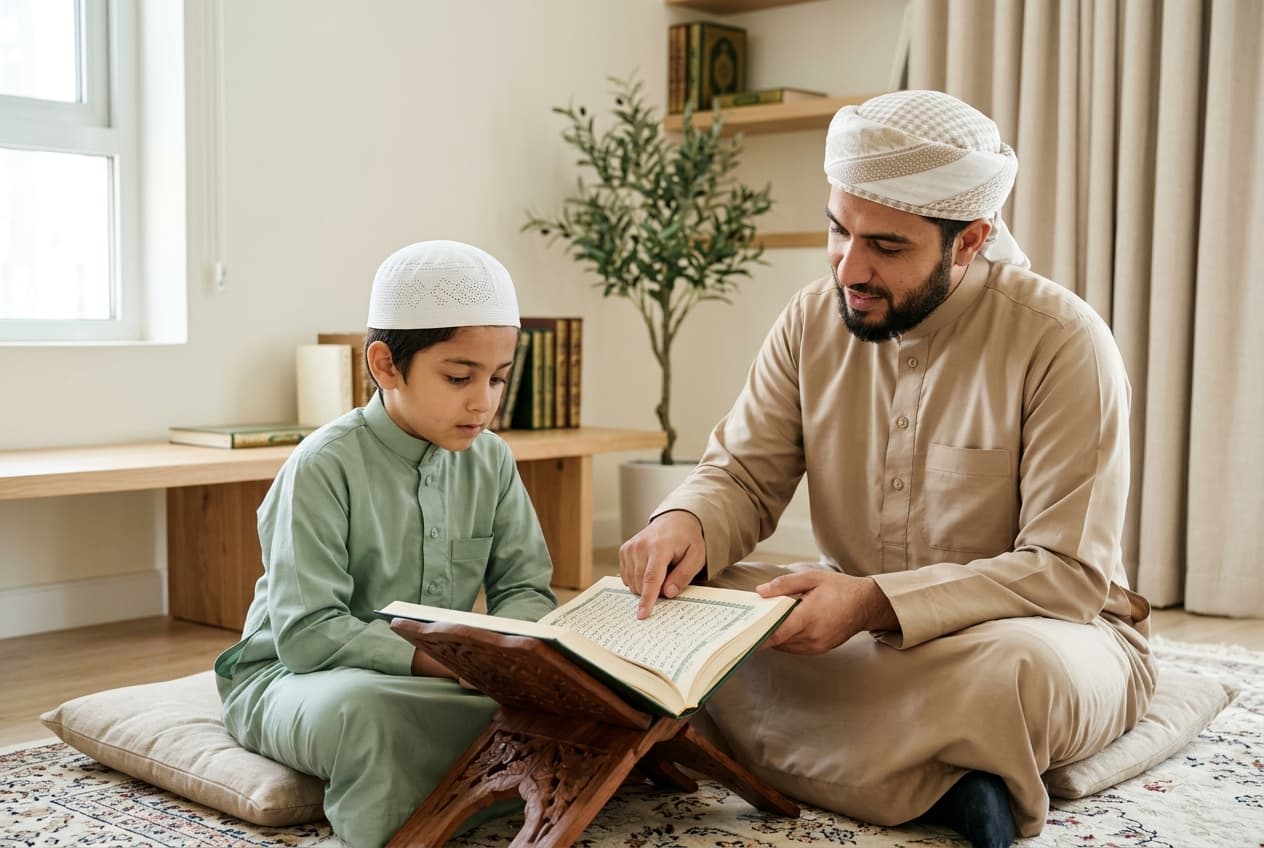
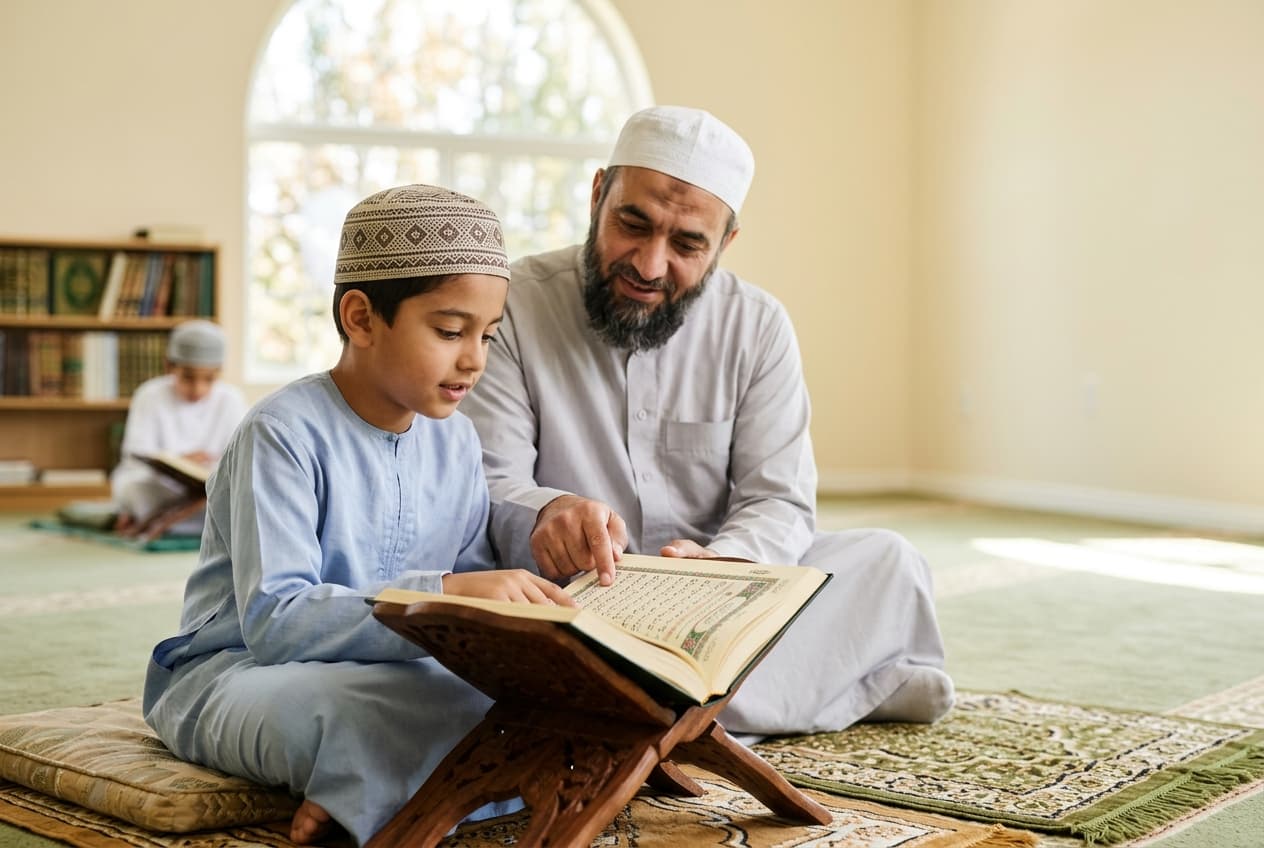
Children learn best when lessons are patient, encouraging, and matched to their age. Young learners benefit from short, focused sessions, gentle correction of mistakes, and regular revision, so that each lesson stays with them.
Parents can support this at home. Keep a regular practice time, listen to your child read, and praise steady effort rather than only perfect results. Ask the academy how it reports a child's progress, so you can follow it.
The academy's own description of its approach is built on patience, love, and correction, with lessons adapted to each child's level. Confirm the details of class length and course structure with the academy directly.
Quran Reading and Tajweed
Some learners start with no ability to read Arabic. When comparing online Quran classes for beginners, check that the first lessons cover the letters and vowel signs. They need foundational instruction in the letters, their shapes, and the vowel signs before they can read with confidence. Others can already read the Quran but want to improve their recitation.
In both cases, correct pronunciation is the goal. Tajweed, the rules of recitation, covers the articulation points of the letters (Makharij) and how letters are pronounced and joined. These are best learned with a qualified teacher who can hear your recitation and correct it.
Online Quran Memorization Classes
Hifz, or memorising the Quran, is a structured process. Most memorization programmes include three parts: new lessons, revision of recent lessons, and regular review of portions already memorised.
Revision is what keeps memorised material strong, so a good programme gives it as much attention as new lessons. Ask how revision is scheduled and how the teacher keeps track of what the student has learned.
Memorization does not follow a fixed timeline, and no one can promise how long it will take. Progress depends on the learner's age, memory, and the time they can give to practice.
Islamic Education and Scholarly Guidance
The academy's description of its services also covers Islamic education alongside Quran learning. The areas it mentions are:
- Quran translation and Tafsir.
- Basic beliefs and Islamic teachings.
- Salah, fasting, and other essential religious matters.
- The study and explanation of Hadith.
- Islamic manners and the religious upbringing of children.
- Basic Islamic education and guidance for adults.
Before you enrol, confirm which subjects are currently offered and who teaches each one. Availability can vary, so do not assume that every subject is available for every learner.
Quran Classes for Adults
Adults can start learning to read the Quran at any age, or work on improving their recitation and Tajweed. Online Quran classes for adults are one option to compare with local classes. Many adults bring focus and a clear purpose to their lessons.
It is normal to feel self-conscious at the start. A patient teacher and a realistic plan make the process more comfortable. Progress varies from learner to learner, so measure it against where you began rather than against a fixed timeline.
The academy's description also mentions learning opportunities for men and women. Confirm the arrangements for each class with the academy.
Learn the Quran Online from Home
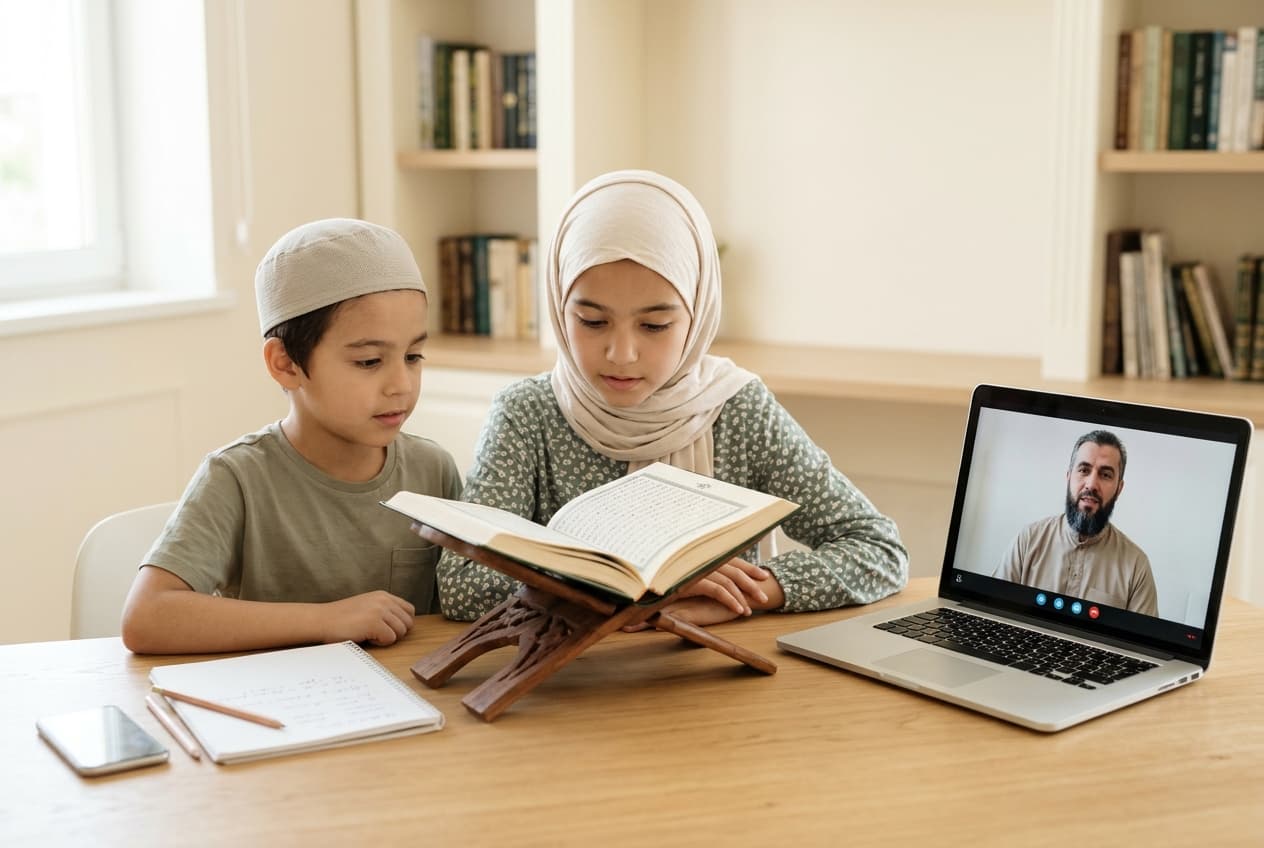
Online learning means taking part in lessons from home, using an internet-connected phone, tablet, or computer. For families with busy schedules, long travel times, or no suitable teacher nearby, this can make regular learning much easier.
Online lessons still need structure, feedback, and practice. Find out how the lessons are delivered and how corrections are given. Look at the academy's current class schedules and teaching arrangements before making a decision.
How to Choose the Right Learning Option for Your Family
Use this checklist to compare options:
- The learner's age and comfort with lessons.
- Current level: complete beginner, reader improving Tajweed, or someone memorising the Quran.
- The learning goal: reading, recitation, memorization, or Islamic education.
- Teacher suitability: qualifications, experience with the learner's age, and clear feedback.
- Schedule: whether the lesson times suit the family every week.
- Revision method: how earlier lessons are reviewed.
- Course information: whether the academy's courses and details are clearly stated on its website.
Write down your answers before you contact the academy. A clear goal makes the choice easier.
Frequently Asked Questions
Yes. Online lessons can work well for children when the teaching is patient, suited to their age, and includes correction and regular revision. Parents can support learning at home.
Yes. Adults can join online classes to learn reading or improve their recitation. Check the academy's current arrangements for adult learners.
For learners who cannot yet read Arabic, learning the letters and vowel signs is the usual first step. Learners who can already read can focus on Tajweed and recitation.
Memorization classes usually include new lessons, revision of recent lessons, and regular review of earlier portions. Ask how each part is organised.
Tajweed helps the reader pronounce each letter correctly and observe the rules of recitation. Learning it with a qualified teacher helps prevent mistakes from becoming habits.
Check the teachers' qualifications and experience, how pronunciation is corrected, the lesson structure and schedule, how revision is handled, and whether course details are clearly stated.
Conclusion
Learning the Quran is a valuable commitment for any family. Take the time to consider your child's needs, or your own, and review the academy's available services to see whether they match what you are looking for.
The source article closes with this prayer, which we share here: "May Allah grant our children and families the ability to learn the Quran, act upon it, and gain a correct understanding of the religion. Ameen."